
How Do I Prep My Garden Beds for Spring Planting In Albuquerque
Planting beautiful annual flowers around your Albuquerque home creates a nice pop of color in your landscape and is easy to care for once established. Getting them established, however, takes skill, as well as following a few specific steps to ensure they grow properly and thrive. Let’s look at some of the steps involved with preparing flower beds for spring planting.

Inspecting Flower Bed Foundation
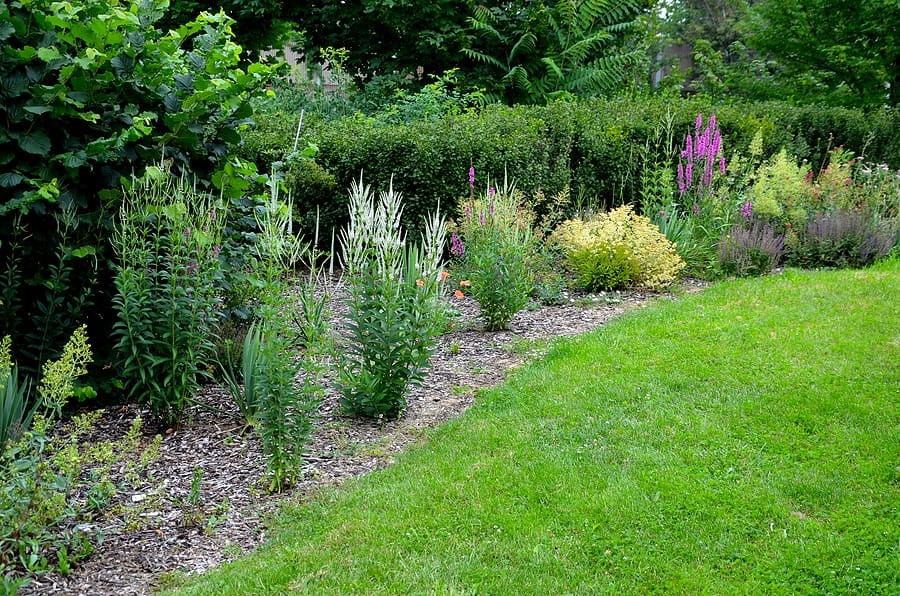
Before doing anything, look at where you currently stand with your flower beds. What type of soil do you have? Will you need to till or fertilize the soil before adding new plants? Are there existing flowers/shrubs that you need to work around? Do you plan on keeping the existing flowers and/or shrubbery, or starting completely from scratch? Keeping existing plants and shrubs can save you money and provide a nice foundation to work from. As long as they complement your desired plants, the flowers and shrubs you currently have can be used to your advantage.
It’s Weedier than You Think
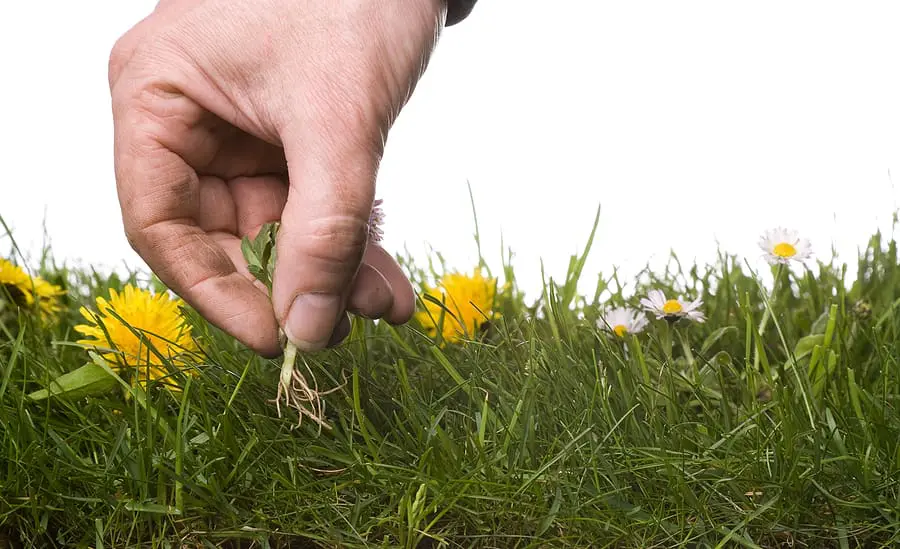
Time to roll up your sleeves and get dirty! Dealing with weeds has an awful reputation but really isn’t that bad. Understand that there are always going to be weeds. Like washing your car, it’s just something that needs to be done. You do have options.
First, you can grab the young weeds and pull them up by hand. Just make sure to get the root. If you don’t get the root, you’ll just be wasting your time, as it will grow back. While pulling weeds is ok to do, it isn’t ideal for large areas. Not only will the roots you missed grow back quickly, but they can also spread. To ensure you don’t have future problems with weeds, make sure you kill or remove the weed’s roots. Because of this it’s best to weed your beds right after substantial rainfall. Soil will be moist, allowing the root to easily pull from the soil leaving less roots to grow in the future.
Weeds can also be removed by using a shovel, trowel, or weed popper. Using a tool will allow you to be precise when pulling out the entire root. Early in the season this is your best option before the weeds get too large and become established.
Last—but far more popular—is spraying weeds. There are many herbicides on the market that you can choose from. Herbicides can be selective or nonselective. Nonselective killer sprays will kill nearly any plant it comes into contact with. Selective herbicides will kill only broad-leafed plants. When spraying, make sure you do so on a day with little to no wind. It’s also a good idea to place a piece of cardboard between the weeds and any plants you don’t want to get sprayed.
Rake Away Leafy
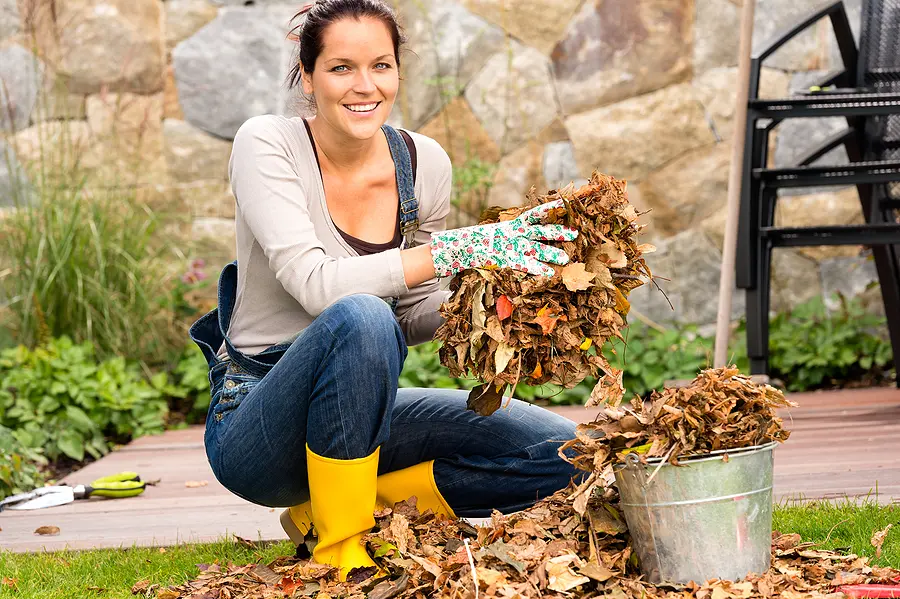
Ok, so now it’s time to continue clearing the flower beds. Use a rake to remove any sticks or leaves that have accumulated within the beds. Leaf blowers can also come in handy when you have large amounts of leaves covering your flower beds. Blowing all the leaves out of beds and onto the lawn will make for easy raking and bagging. Once all leaves and debris are cleared away, you can take a closer look at your soil and determine if anything else is needed before planting.
Mix in Some Compost
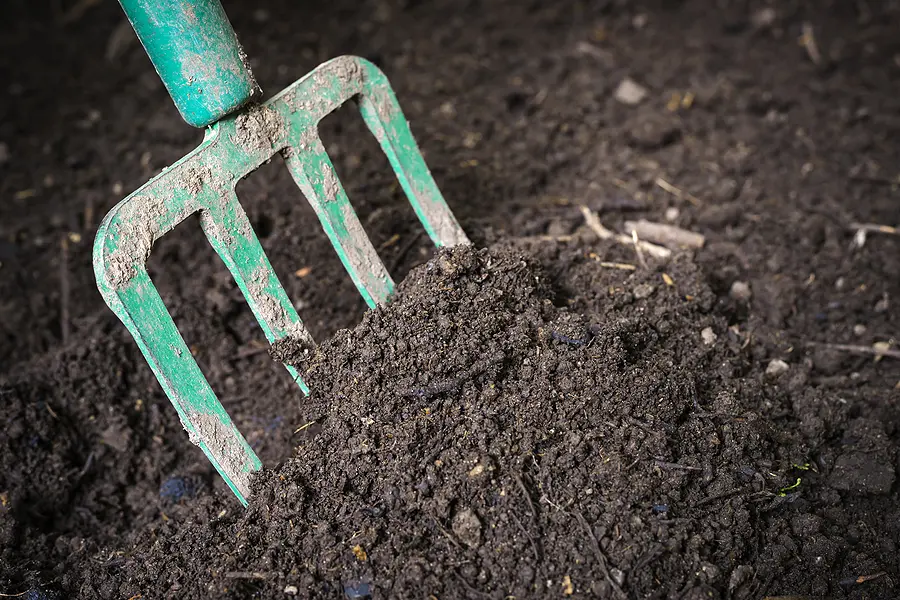
Adding compost is highly beneficial when prepping your flower beds. Not only is it good for your plants, but it provides nutrients for the soil. Compost can help lighten heavy clay soils and retain moisture in sandy soils. Starting your own compost bin is simple and can be made using everyday household food scraps. Egg shells, coffee grounds, and fruit and vegetable scraps are great ingredients for your compost bin. Head to your local home and garden store to find various compost options. Add a small amount of compost to each hole you dig for your plants and mix with some of the soil you removed from the hole. Mixing compost with your soil will help promote healthy plant growth. Top dress entire flower bed with 2-4” of compost.
Turning the Soil
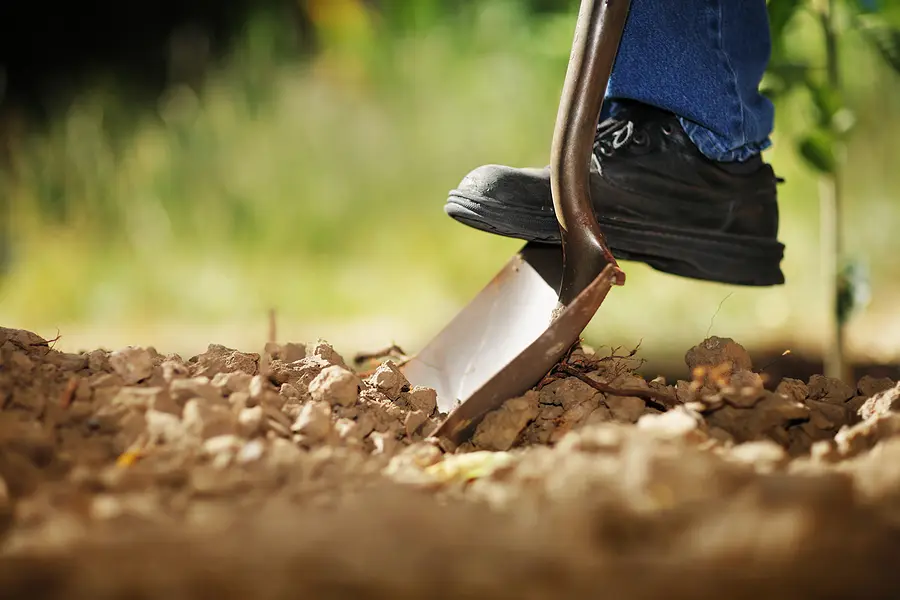
If you notice that your flower bed’s soil is hard and packed down, try turning the soil with a shovel. By turning the soil, you are helping to loosen it up and make it less compact. Don’t forget to mix the compost with the soil as you turn it. Doing this will help enhance your soil and allow new plants to prosper. You do not need to turn the soil down a 12 inches like you may have read before. Digging down 2-4” is sufficient. After turning your soil, you should find it easier to plant your new flowers. They’ll thank you later too! Because the soil is loosened up, roots can expand easier, allowing the plants to get bigger.
Mulch Those Beds
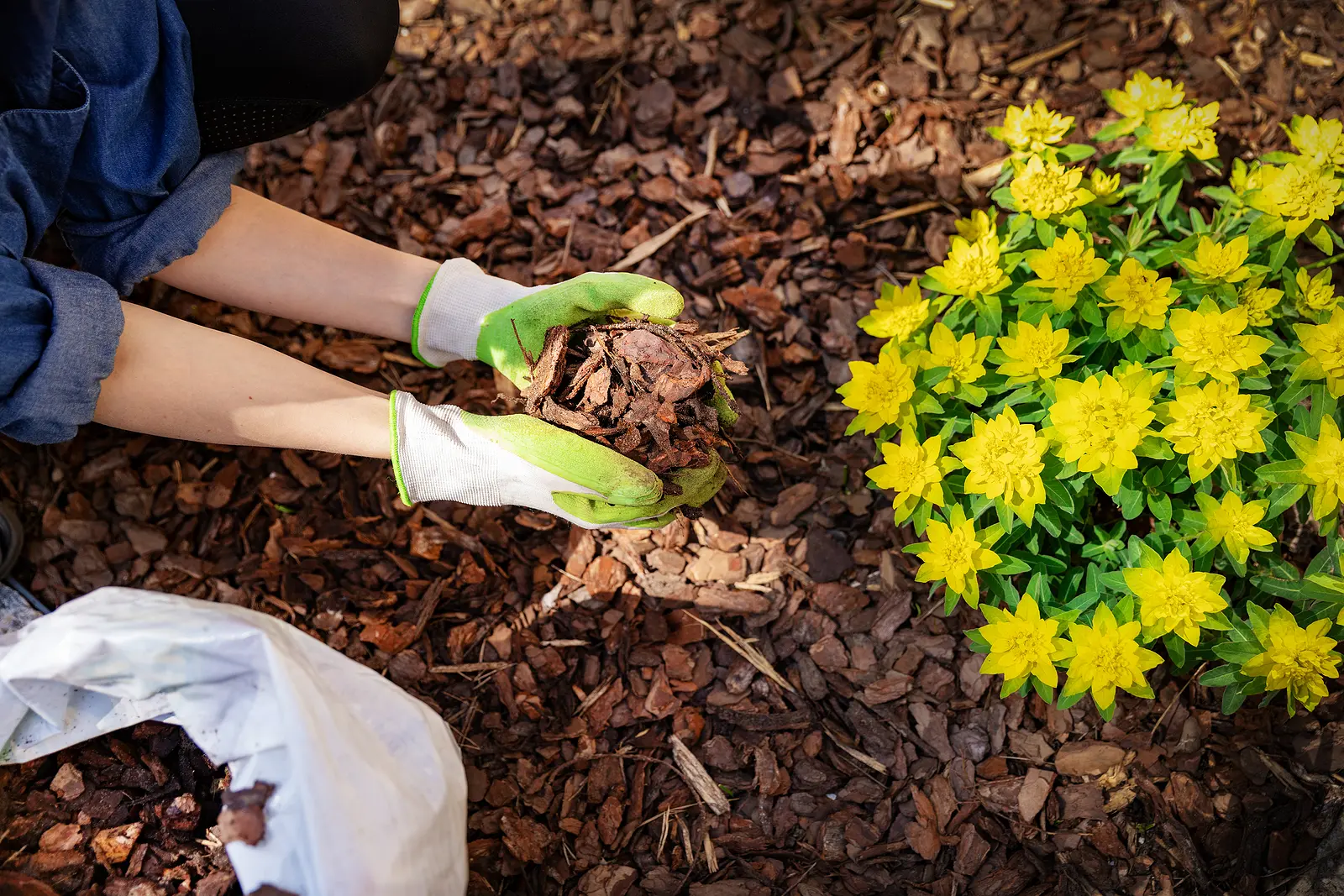
Last, but certainly not least, cover the flower beds with mulch. Mulch isn’t just for looks although it certainly helps with that too. Mulch can be used to cover any exposed dirt in your flower beds. Mulch is also great at suppressing weed growth by preventing seeds from landing in your flower beds and sprouting. By using mulch, you help the soil retain moisture longer, allowing your plants and flowers to dry out less. When using rocks or gravel as your mulch, we suggest laying down some landscape fabric to prevent weeds from growing. Fabric won’t be necessary if you use bark mulch or wood chips.
Now that your flower beds are prepped and ready to go, you should think about edging around the bed. Edging is a great way to create definition between your flower beds and lawn. Edging can also help keep grass from taking over your flower beds as some grass species will spread if allowed too. For more information on edging your flower beds check out ‘How to Edge a Flower Bed’. You can either dig a shallow trench between your flower bed and lawn or use bricks, plastic edging, or wood to create a barrier. Each option offers different pros and cons while giving your landscape a slightly different look.
Final Steps
Now it’s time to have some fun with your flower beds. When adding flowers and plants to your landscape it’s your opportunity to get creative by utilizing various colors.
But wait, there are two things you need to do before you call it a day. Grab your flower fertilizer and water those babies in! Fertilizing not only helps the flowers flourish but helps produce colorful blooms. Watering helps the plants settle in their new home. Because your work with dry soil you just cleared up, you can water a little more than normal.
Ready to Relax
With your work complete you’ve earned yourself a cold beverage! Relax and enjoy your handiwork. Adding flower beds to your landscape is a great way to add beauty and value to your home. Color can change the entire look of your home while giving it an inviting feeling.
Need Help Adding Flower Beds to Your Albuquerque Landscaping?
If you’re thinking about adding flower beds to your Albuquerque home, but don’t have the time or need some assistance, contact ASAP Sands Outdoor Services. We offer professional landscaping maintenance services and can help design, maintain, and keep your flower beds looking great year-round.