
Which One Should You Choose, Sod vs Seed?
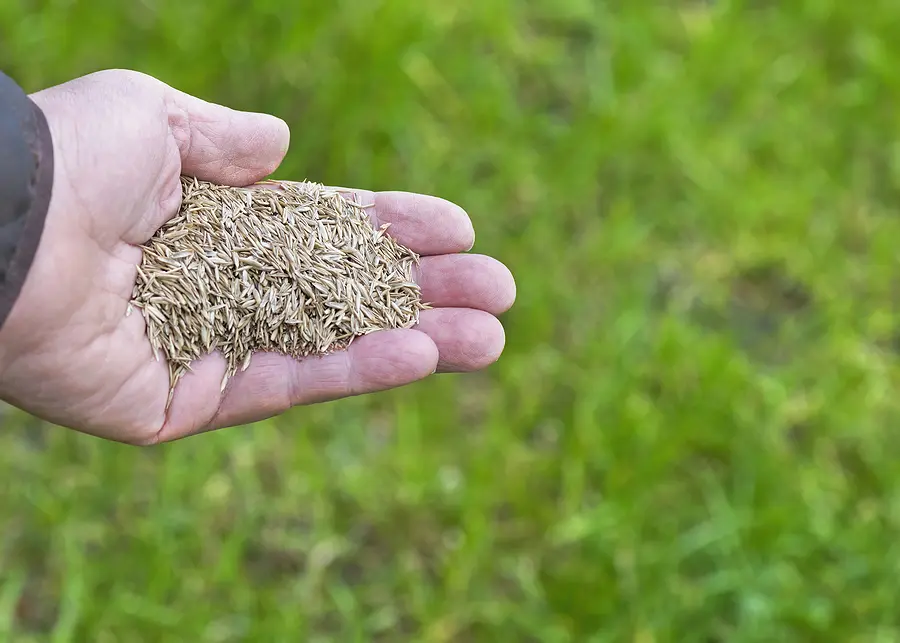
From upfront installation costs to daily maintenance, there are a dozen benefits and drawbacks to weigh when considering sod versus seed for your lawn. Before you choose what’s best for your lawn, you’ll want to understand all the important information regarding each option. When you really understand sod versus seed, you’ll easily be able to identify which is right for your property.
Installment method impacts your lawn’s initial cost, time requirements until use, and overall lifespan. Sod provides quick results, but seed allows you more flexibility and often leads to a healthier, more cost-effective lawn.
Sod vs. Seed – Which is Better?
Sod grass is better if you need an instant lawn, don’t mind spending a bigger budget and want erosion control right away. Grass seed is better if you’re patient, have a limited budget, and would rather have a lawn with deeper and stronger root systems. Seed also allows you to pick grass varieties that are tailor-made to your area’s climate but it can take several weeks before you can use your lawn.
Let’s dive into sod pros and cons vs. seed to discover which is best for your yard.
Sod – Instant Lawn with a Price
To begin, let’s discuss sod. This traditional lawn installment technique has been around since the late 1800s right here in the United States. While laying down sod may seem like a quick fix, there is more to installation and maintenance than you may think.
What Is Sod?
Rolls of sod are cut, transported, and laid down to form a new lawn space in either a residential or commercial area. There are different types of sod grown in different regions of our country due to their ability to succeed in those areas. For instance, if you were to look into the types of sod that grows in Florida you will find most sod farms grow Bermuda grass because it does extremely well in warm climates.
Pros and Cons of Sod
Pro – Speed
The biggest advantage of using sod for your lawn is that it instantly covers your ground. Installing sod involves laying out strips of already grown grass to create an “instant lawn.” There is no waiting around for grass to grow. Another benefit of instant ground coverage is that sod helps with erosion.
Pro – Flexibility
You can lay sod in the spring, summer, and fall months. Instead of being restricted to only milder temperatures like seed, your installation window is much larger. As long as you’re watering your sod diligently, it can adapt to less-than-perfect weather.
Con – Cost
Installing sod isn’t cheap. Harvesting sod is a meticulous process that requires a large amount of manpower. For that reason, sod can cost you between $.30 and $.80 per square foot. Don’t forget about installation costs if you aren’t doing it yourself.
Con – Difficulty
As mentioned before, installing sod is a tedious job. It requires special tools and knowledge of proper grade preparation to ensure the grass roots accept your property’s soil. This job is usually left to professionals, as improperly installed sod can roll back, show visible seams, or create dead patches of grass.
Seed – Budget Friendly but Takes Time
Establishing a lawn with seed isn’t as fast as laying down sod, but it can be less expensive and create a better end product. Lawn seed allows you to have fun with your lawn by selecting from many grass varieties. Another incredible benefit of growing your lawn with seed is that it’s better for the environment. Growing grass absorbs carbon dioxide and releases oxygen into the air we breathe.
What Is Lawn Seeding?
Seeding a lawn simply means you are growing your grass from grass seed. Just like sod, grass seed is used for both residential and commercial purposes. You can seed a lawn by hand or with the use of a hydroseeding machine.
Pros and Cons of Seeding
Pro – Affordable
One of lawn seed’s biggest advantages is its low-price tag. Grass seed is far less expensive than sod, especially when professionally installed. You could save yourself hundreds, if not thousands of dollars by choosing to plant grass seed.
Pro – Less Weeds and Better Grass Roots
Seed is planted underneath the top layer of soil, meaning the roots on seeded lawns tend to grow longer and stronger. Since your lawn will be made of tough, hearty grass, it will stay green and lush for years to come if properly maintained. You can also plant more seed after your lawn has sprouted to ensure a thick stand of grass that prevents weed growth.
Con – Time
The downfalls of planting grass seed are that it takes time and patience. Not only will you have to wait to see your grass grow, but you will need to wait around 30 days before you can properly walk or play on your new lawn.
Con – Erosion
Since grass seed isn’t laid down like sod, there is a chance it can get washed away with heavy rains. You can prevent this issue by laying down mulch or an erosion control blanket until your grass sprouts.
Installing Sod vs Planting Seed – Let’s Compare Costs
The average price of grass seed is $.08-$0.18 per square foot. Sod costs between $.30-$0.80 per square foot. But remember, sod usually has higher added installation costs. On average, you can expect to pay an additional $.50 per square foot.
Here is an example:
- Seed – At $.18 per square foot, a 1,000 square foot lawn may only cost you $180 to plant.
- Sod – The same 1,000 square lawn could end up costing you $1,300 after installation prices are factored in.
Time + Maintenance: Which Takes More Effort?
Both sod vs. seed require similar effort when it comes to time and maintenance. After installation, both lawn types require plenty of water. You will water sod to promote root growth and seed to promote germination.
If you plant your grass during its ideal season, avoid erosion, and water consistently your lawn should not require much upkeep. Once grass seeds roots have matured, it becomes a hardy lawn that resists stress.
Your Climate & Soil – What to Consider When Trying to Decide
Here are some things to consider when trying to pick between sod or grass seed.
Climate
Different grass types thrive in different climates and weather patterns. This is where knowing your hardiness zone comes into play. The US is separated into 11 distinct zones that dictate which types of plants succeed during the coldest months of winter. Depending on where you live, some grass types may just not work for your area.
For example, if you live in southeast Albuquerque, NM, you may choose Buffalo grass. However, if you brought that seed to your honeymoon in Minnesota, it may not survive.
Soil Conditions
Some states don’t even allow you to lay sod due to the poor soil conditions. Florida is known for its weak clay and sandy soil. Sod typically comes with a thin layer of the soil it was grown in. If you were to lay sod in Florida, it may not root because of the drastic difference in soil composition. Seed has no soil attached to it when it’s sold, so it will grow into the soil that’s already present.
Sod vs Seed – Which is Right for You?
Before you choose between sod versus seed look at your situation and ask yourself these questions.
- How big is my budget? If it’s small, choose seed.
- Do I have a sprinkler system? If not, sod may die because it doesn’t stay hydrated long.
- Can I keep pets and children off the lawn until it’s mature? If not, choose sod.
- What grass grows best in my area? Research your state’s best grass type and pick seed from that family. If you live in Albuquerque, NM, you will have a variety of grass that will thrive in your yard.
Can Your State Grow Most Grass Types? Nope.
Just because your hardiness zone allows you to grow every grass type doesn’t mean your state can support it. For example, your yard may be able to grow Bermuda grass but the temperatures in Idaho rarely reach high enough for it to thrive.
Choose a Blend
If you live in an area with crazy weather swings or poor soil conditions, choose a grass seed blend. Companies spend years creating the perfect seed formulas for regional differences.
Final Sod vs. Seed Thoughts
Whether you’re tearing out your whole lawn or just starting a new section, deciding between sod vs grass seed can be overwhelming. If you want a quick fix and don’t mind spending money, choose sod. However, if you’d rather save money and change your grass type, go with seed. You’ll benefit from a easy DIY project that leads to a beautiful lawn with strong roots and very few weeds.
Seed vs Sod FAQs
Answers to your frequently asked questions about sod vs seed for lawns.
Which is better for a sloped lawn, sod or seed?
Sod is best for sloped lawns because the grass has an already established root system. Seed can wash away with heavy rains before it even begins to grow. If you’re set on using grass seed you’ll need to lay down an erosion control blanket to protect the seeded area.
How soon can you walk on seeded lawn vs sodded lawn?
You can walk on sod as soon as the grass takes root. This process usually takes two to three weeks. For grass seed, you’ll want to wait up to 6 weeks to ensure that your grass has time to establish a strong root system.
