
What Steps Do I Follow to Prepare My Raised Garden Beds for Winter?
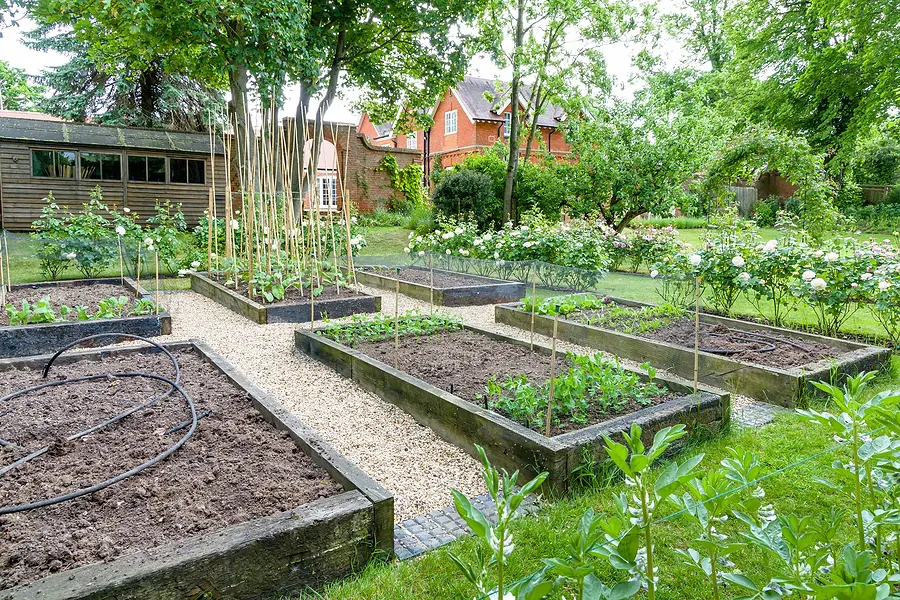 Once you’ve harvested your last garden vegetables for the year, it’s easy to want to stop yard work and leave the brown carcasses of your once-growing plants until next year.
But, if you hope for healthier crops next year, one of the important fall gardening chores is to clean out raised beds before winter arrives as you will see a big difference in the spring.
A bit of cleanup and amending helps keep raised beds free of weeds while also losing nutrients, having the soil structure and fertility compromised, and provides a place for pests to overwinter. The ideal time to do this is late fall after crops have finished growing and just before or after the first frost, or early winter.
Come spring, your garden bed will be ready for a new planting season. These are the steps to prepare garden beds for winter.
Clean Out the Garden Beds
Begin with clearing out the garden. Wait until after a frost or freeze has taken down most of the plants. Also clear out any dead plants and weeds as these can provide shelter for diseases and pests through winter. Weeds that are left behind can also seed and become a problem next year. Remove fallen leaves, sticks, acorns or other debris and don’t leave garden stakes, tomato cages or other supports in the soil. These materials could harbor living fungal spores and/or bacteria that could over-winter in them and infect new plants you put in next spring. Pests and rodents might curl up for the winter in piles of debris and invade next year’s garden.
If you have perennials in the bed, leave those in and clean around them. And this is also the moment to insulate them against the winter weather by applying thick mulch around them.
Test the Garden Bed Soil
This is a good opportunity to test the soil in your garden bed so that you can amend it accordingly before the next growing season. You can buy an at-home kit at your local garden center or call your extension office for instructions on how to submit a sample for testing. You’ll discover if your soil has any nutrient deficiencies or pH imbalances and how to amend the soil to correct them.
Inspect The Garden Frame
Inspect the frame of your raised bed for cracks, loose nails, or rotting wood that will attract pests or can cause your bed to collapse, and repair as necessary. Reinforce weak corners if any. Check to ensure that soil has not eroded from below the frame and add as necessary.
Enrich And Protect the Soil
Top dress with compost or other organic material to provide nutrients to enrich the soil for planting in the spring and to fill in any soil that may have been lost or settled out. Incorporate a cover crop after or apply a layer of mulch or both.
Legumes, rye, and clover are all examples of cover crops that minimize erosion and help improve the soil by aerating and draining the soil as well as providing beneficial organic matter when they die and decompose into the soil.
Alternatively, you can also mulch the soil with organic materials like shredded leaves, straw or compost. It breaks down, contributing nutrients and organic matter to the soil. In those situations a tarp may be used to cover the soil in those areas prone to wind and heavy rains, eroding nutrients. It also aids in the smothering of weeds.
